
Crank and solar radios: the second radio, not the first
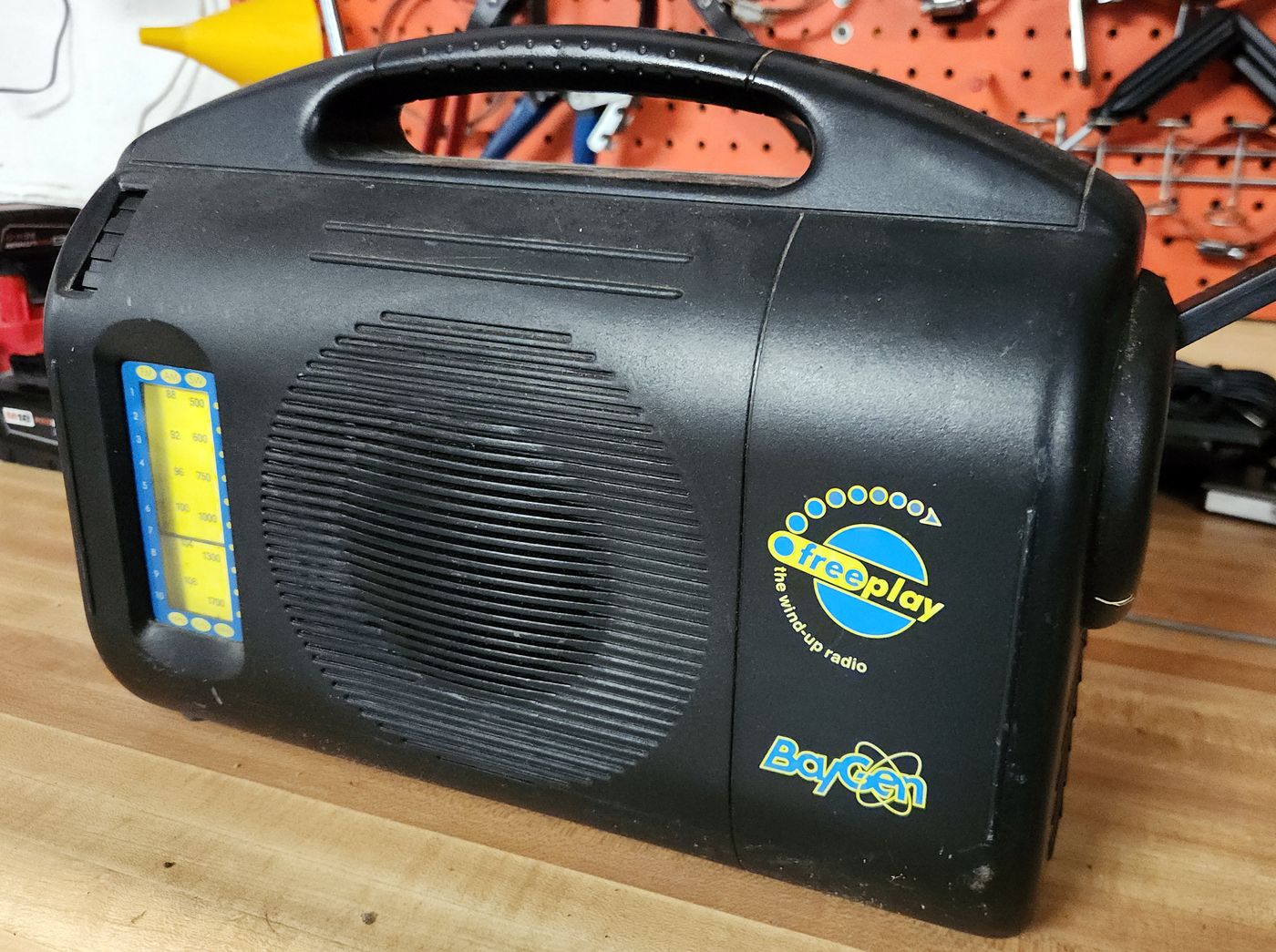
Wind-up radios have come a long way since I bought my original BayGen Freeplay. The hand-crank radio is the mascot of emergency preparedness - and one of its most misunderstood purchases. Bought for the right job, it's a good $30-60 tool. Bought as your primary alerting radio, it will let you down on the exact night it was bought for.
What the crank really buys you
A minute of vigorous cranking typically yields a few minutes of radio listening - useful and real, but far less than the box would lead you to expect. Crank charging a phone is slower still; think "one short call after ten minutes of work," not "recharge overnight." The solar panel on most units is a trickle.
A crank/solar radio is a receiver that can never be permanently dead. After three days without power, when every battery in the house has been eaten, the crank radio still produces news.
What it can't do
Wake you up. Almost no crank all-in-one does SAME county alerting, and a radio you must switch on can't alert you at 3 a.m. That's the dedicated weather radio's job - plugged in, batteries backing it up, silently watching your county code. The crank unit is the second radio: the one for day four, the go-bag, the car.
Which features matter
Matter: - Weather band (all seven NOAA frequencies - nearly universal now, verify anyway; your station). - A real battery you can also charge by USB - a unit you top off by USB monthly is always ready; cranking is for after that runs out. - Standard replaceable cells as a third power path (AA/AAA compartment). - A usable flashlight - one object in the go-bag instead of two. - Headphone jack - cranked power lasts several times longer through earphones than the speaker.
Mostly for show: - Phone-charging claims (see physics, above - it's an emergency trickle, not a charger). - "5000 mAh power bank" versions - a radio with a big battery is worse at both jobs than a radio plus a real power bank. - Reading lights, SOS beacons, compasses molded into the case. Harmless, but you're paying for plastic.
Where it belongs
- Primary: SAME weather radio at home, always on. (Guide.)
- Second: one crank/solar unit in the go-bag or car, topped off by USB when the clocks change. The Midland ER310 (Amazon) checks the boxes that matter above - weather band, USB-rechargeable battery, AA compartment as the third power path, real flashlight, headphone jack. (It also has an "ultrasonic dog whistle" molded in; see the "mostly for show" list above, and ignore it.)
- Power: cells and a bank per the power guide.